How Whalers Continues a Postmodern Tradition of Storytelling
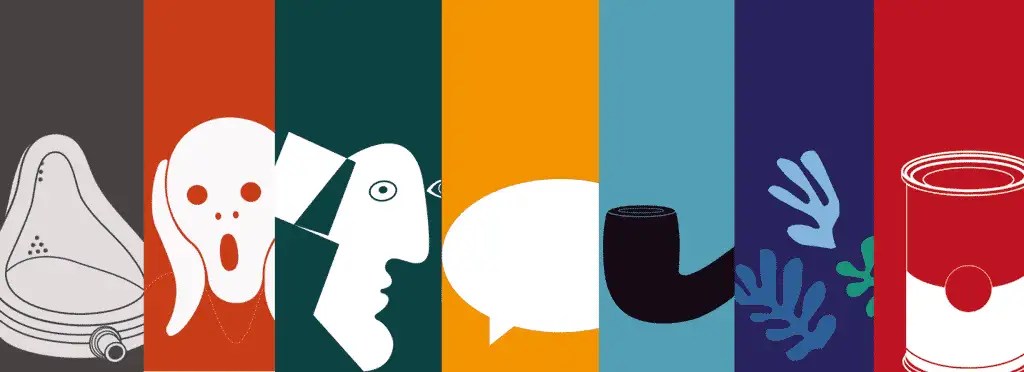
Postmodern literature, which gained prominence in the 1960s with authors like Kurt Vonnegut, challenges the boundaries between reality and fiction. Though its origins can be traced back as far as Miguel de Cervantes’ Don Quixote, postmodernism ultimately emerged as a rebellion against the modern, realistic fiction that dominated before. It invites readers to recognize that fiction is, at its core, made-up.
Postmodern fiction embraces qualities that challenge traditional storytelling, and I’m excited to explore how these elements shape Whalers, my debut novel. It’s a text that, like so many others in this literary tradition, isn’t afraid to reveal that it’s a book.
Metafiction
Metafiction is a style where characters or the narrator display an awareness of their being in a book, breaking the fourth wall to engage the reader. In Whalers, Ethan Callahan, the protagonist, narrates his story as if speaking directly to the reader, treating them as a personal confidant. He frequently uses metafictional language in their conversations, speaking directly to the reader and acknowledging that they are reading his story. At one point, he says, “I know you’re judging me, but you picked up the book, not me,” reminding the reader that they are a part of the story’s unfolding. This self-aware dialogue creates a unique bond between Ethan and the reader, making them feel engaged in his narrative.
Intertextuality
Intertextuality takes place when a novel engages with other works of literature, embedding itself in a larger literary conversation. Ethan, being an English teacher, filters his experiences through books he’s read, stories he’s heard, and other cultural references like music and television. He can’t discuss his failing relationship without first analyzing Ernest Hemingway’s “Cat in the Rain”, and he views the investigation he’s involved in through John Grisham’s The Innocent Man. These references aren’t just literary nods, but they reveal how Ethan interprets the world, using stories to navigate the complexities of his own life. Chapters in Whalers are dedicated to exploring works like Yann Martel’s Life of Pi, Vince Gilligan’s Breaking Bad, and the Arctic Monkeys’ album Tranquility Base Hotel and Casino.
Fragmented and Unreliable Narration
A fragmented and unreliable narration involves a disjointed structure where the narrator’s perspective, shaped by personal flaws, leaves readers questioning the truthfulness of the story. Ethan’s narration, colored by his alcoholism and cynicism, casts a shadow over every event, making readers wonder whether they’re getting the full picture, or if there ever can be a “truth”. His tendency to jump from one time period to another leaves readers questioning not only what is true but also what is omitted. His story moves between school years, college days, and an uncertain future, never quite revealing what will come next. Ethan openly encourages readers to take on different perspectives, reminding them that they are only seeing the world through his biased lens. He admits, “I think sometimes there is no truth, just a grey, murky middle ground somewhere in between where all of us are living, desperately searching for the black or the white”.
A Blend of Influences
Whalers offers something for every reader. It’s a novel that challenges you to question reality, even as it immerses you in a story that feels vividly true. Despite its postmodern influences, Whalers can also be viewed as realistic fiction, social fiction, and psychological fiction, creating a rich and layered reading experience.
Do you have a favorite postmodern author or book you’d like to share? Reach out on the contact page—I’d love to discuss them with you. And don’t forget to check out Whalers, a novel hitting bookstores in 2025.
 Kyle Farnworth
Leave a comment